
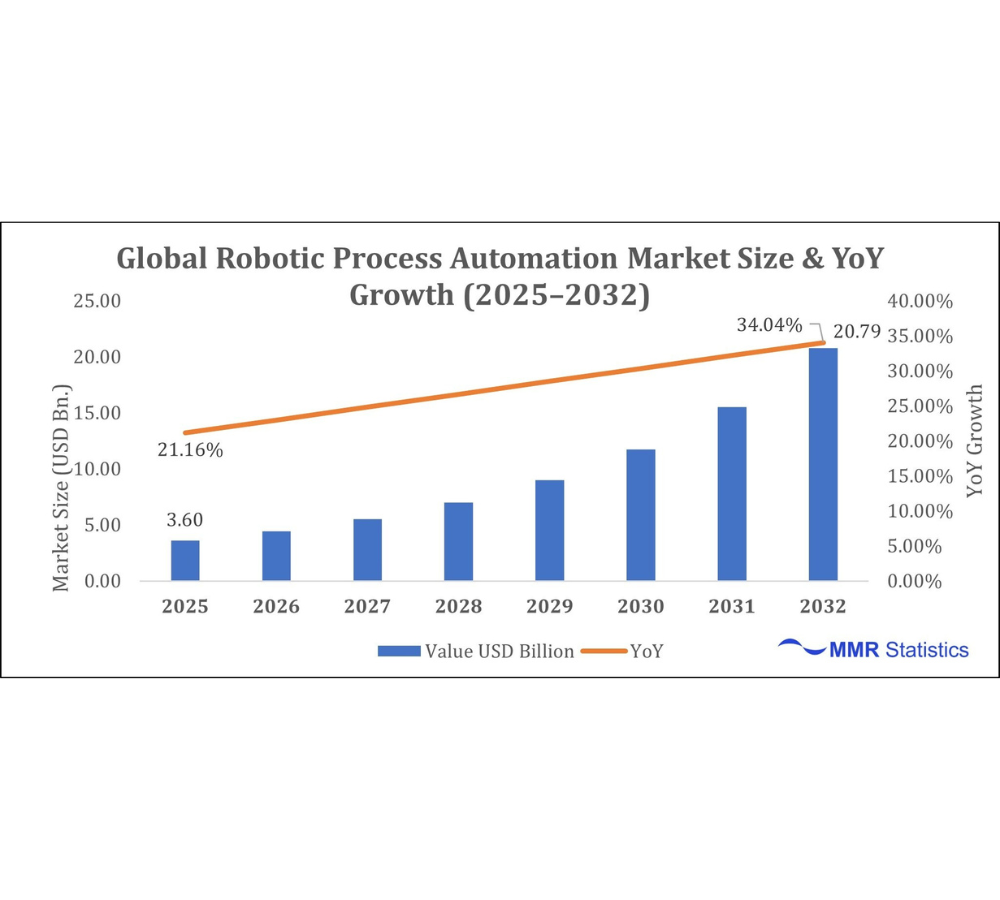
Everywhere we turn, analysts project the robotic automation market to explode in the coming years. The latest comes from MMRStatistics, projecting the robotic process automation market to reach USD 20.79 billion by 2032, with a compound annual growth rate of 28.47% over that period.
As the intelligent robotics market continues to grow, so does the push for a smarter operating system (think Windows, MacOS, Android) to simplify programming, deployment and operation. ROS 2 is providing a foundation for many in the market, but the market is ripe for more autonomous systems and capabilities that improve ease-of-use at scale in implementation and operations.
Companies like Skild AI are seeking to change this by attempting to build a "unified, omni-bodied brain to control any robot for any task”. Major investors have taken notice, with Softbank Group, NVIDIA Ventures, Macquarie Capital, Jeff Bezos and others contributing to a USD $1.4billion funding round for the company.
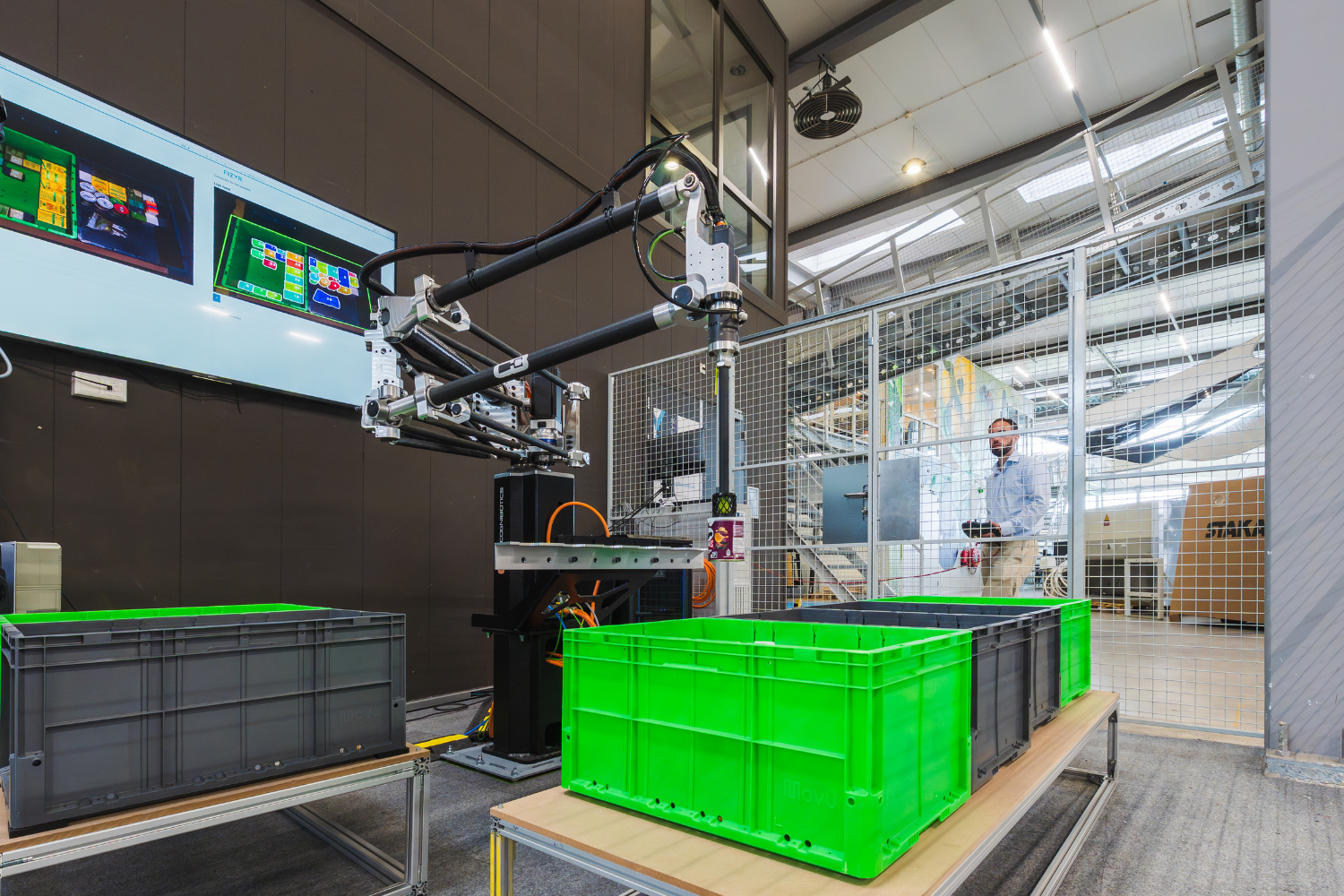
Fizyr's partner Cognibotics is focussing on the 'deterministic' side. They recently released a unified software platform that is hardware agnostic. It empowers robotic operations with unprecedented flexibility in deployment, enabling real-time decision-making based on vision data, environmental conditions and, ultimately, a wide range of additional inputs.
Skild AI and Cognibotics aren't the only companies pursuing this goal. Telekinesis, Intrinsic and Trener (formerly T-Robotics) are also staking claim to become a dominant universal robotic automation OS, seeking to simplify the complex programming currently required for most high variance automation today.
And the major global players - Siemens, Rockwell, ABB, and others - are not standing still. They continue to mature and expand the capabilities of their eco-systems, enabling increasingly precise algorithmic and AI-driven capabilities. In practice, this means embedding Physical AI directly into their automation toolchains.
A universal OS - or a small set of widely adopted platforms - would empower integrators and end users to build precisely the systems they need, using their preferred components - robots, grippers, cameras, vision AI, and more. With each element designed for rapid integration, deployment could shift toward a truly plug and play model, dramatically reducting complexity while preserving flexibilty and choice.
It will be interesting to see which operating systems ultimately emerge as market leaders in the Physical AI and robotics landscape.
In the meantime, Fizyr is committed to ensuring that our best-in-class vision AI integrates seamlessly with all major platforms. While consistently delivering 99% accuracy in detecting, picking and placing items accross logistics, food processing, manufacturing and beyond.
Contact us today to see how we can solve even the most challenging robotic automation tasks.
.jpg)

.jpg)