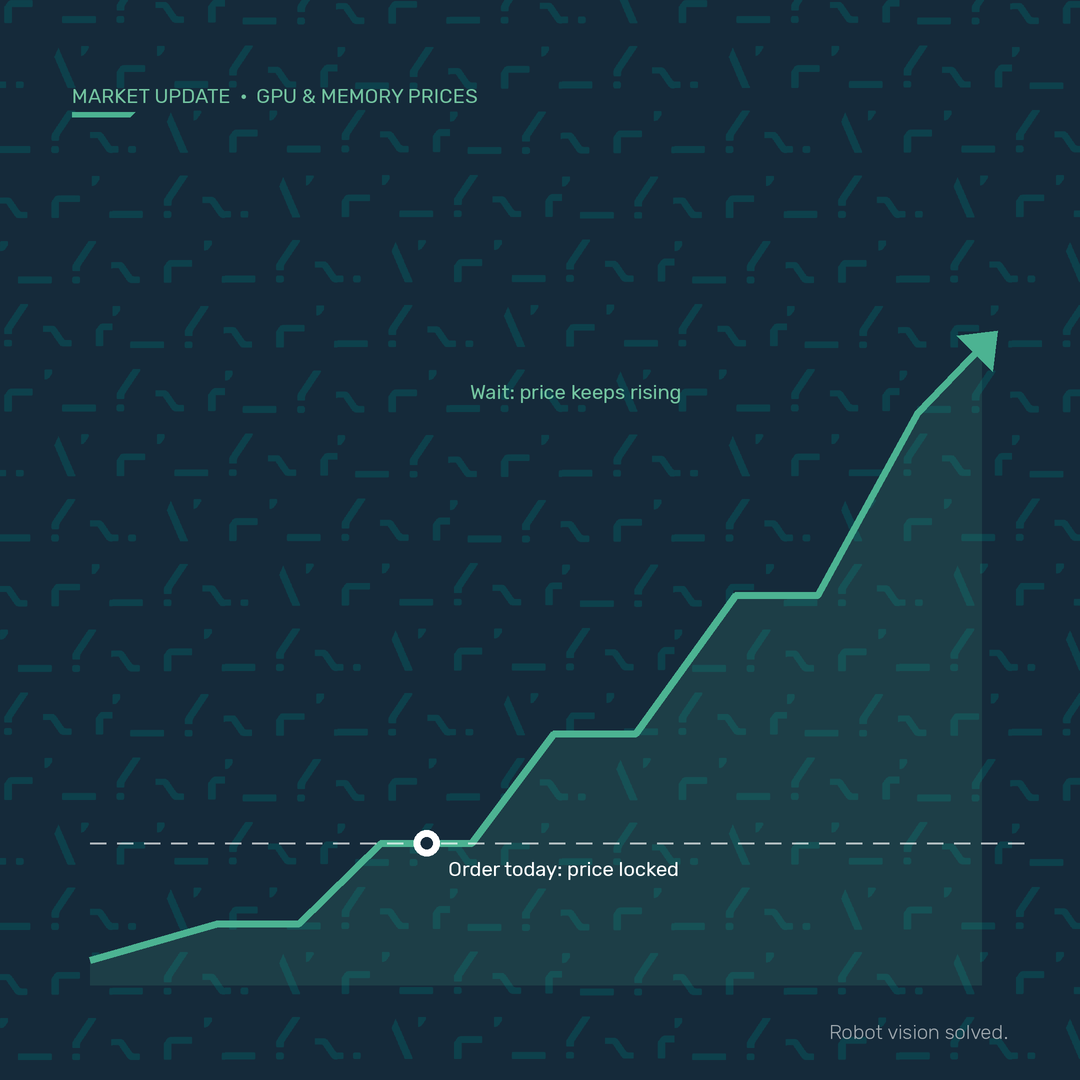
If you're planning a vision-guided robotic cell for 2027, the best time to order the vision hardware is when you have won the project. GPU and memory prices have almost doubled in a short period and the market expects them to keep climbing. Quotes made today will be out of date within the month.

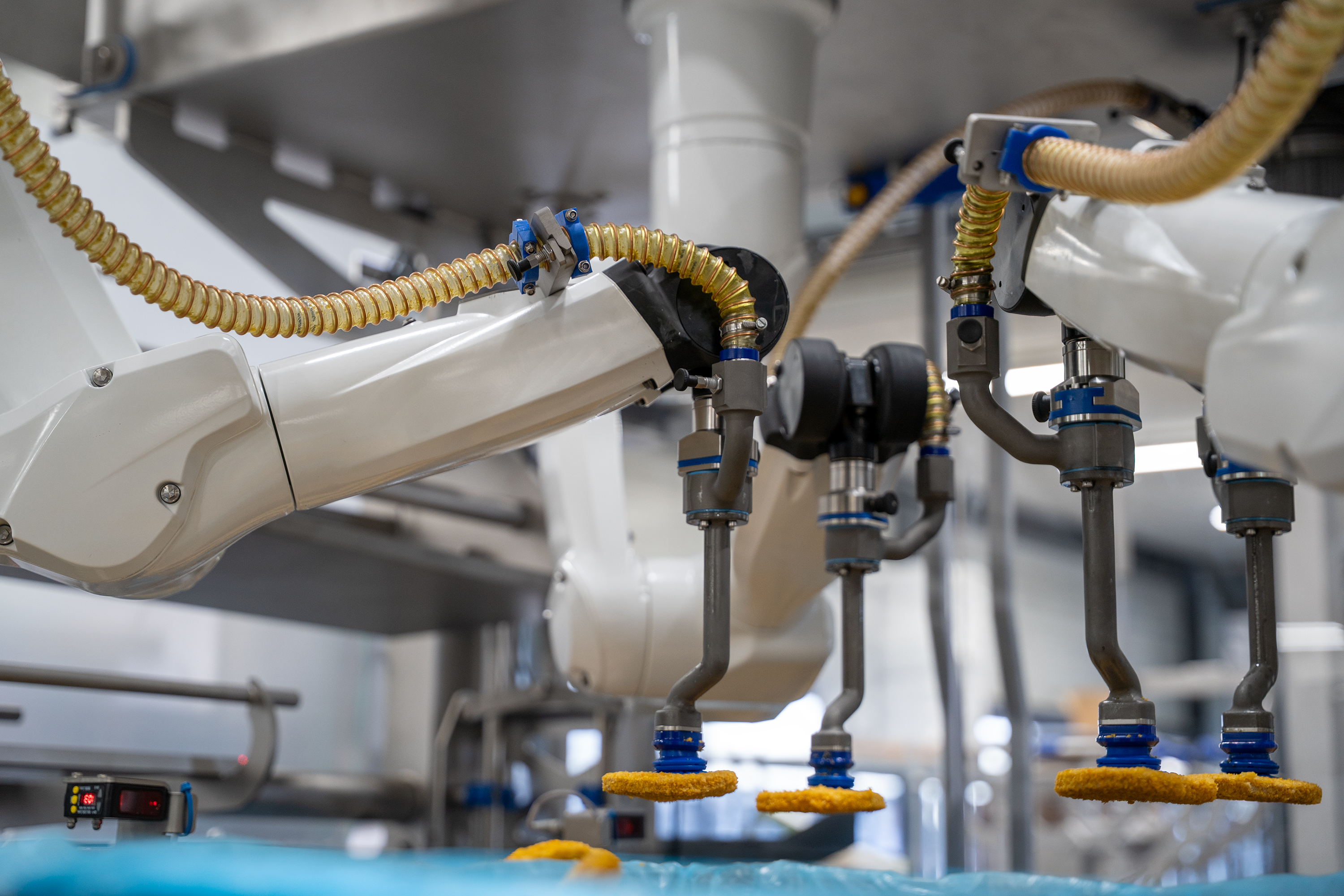

In robotics and industrial detection use cases, your vision AI is only as good as the raw data it receives. A mismatched sensor, poor resolution, or wrong frame rate can introduce motion blur, harsh shadows, and blind spots that no amount of AI model tuning can fix post-deployment.
AI advances, labor shortages, and other drivers necessitate new ROI calculations. Robotic automation has seen significant adoption across various industries recently, driven by advancements in computer vision and artificial intelligence, persistent labor shortages, corporate mandates, and other factors. Fizyr’s new white paper – authored by Chief Commercial Officer Tibor van Melsem Kocsis – highlights the limitations of traditional ROI calculations in capturing the full value of these technologies and proposes an updated ROI model that includes output projections that address not only financial returns but also factors like worker safety; environmental, social and governance (ESG) impacts; supply chain resilience; and risk mitigation.
.jpg)