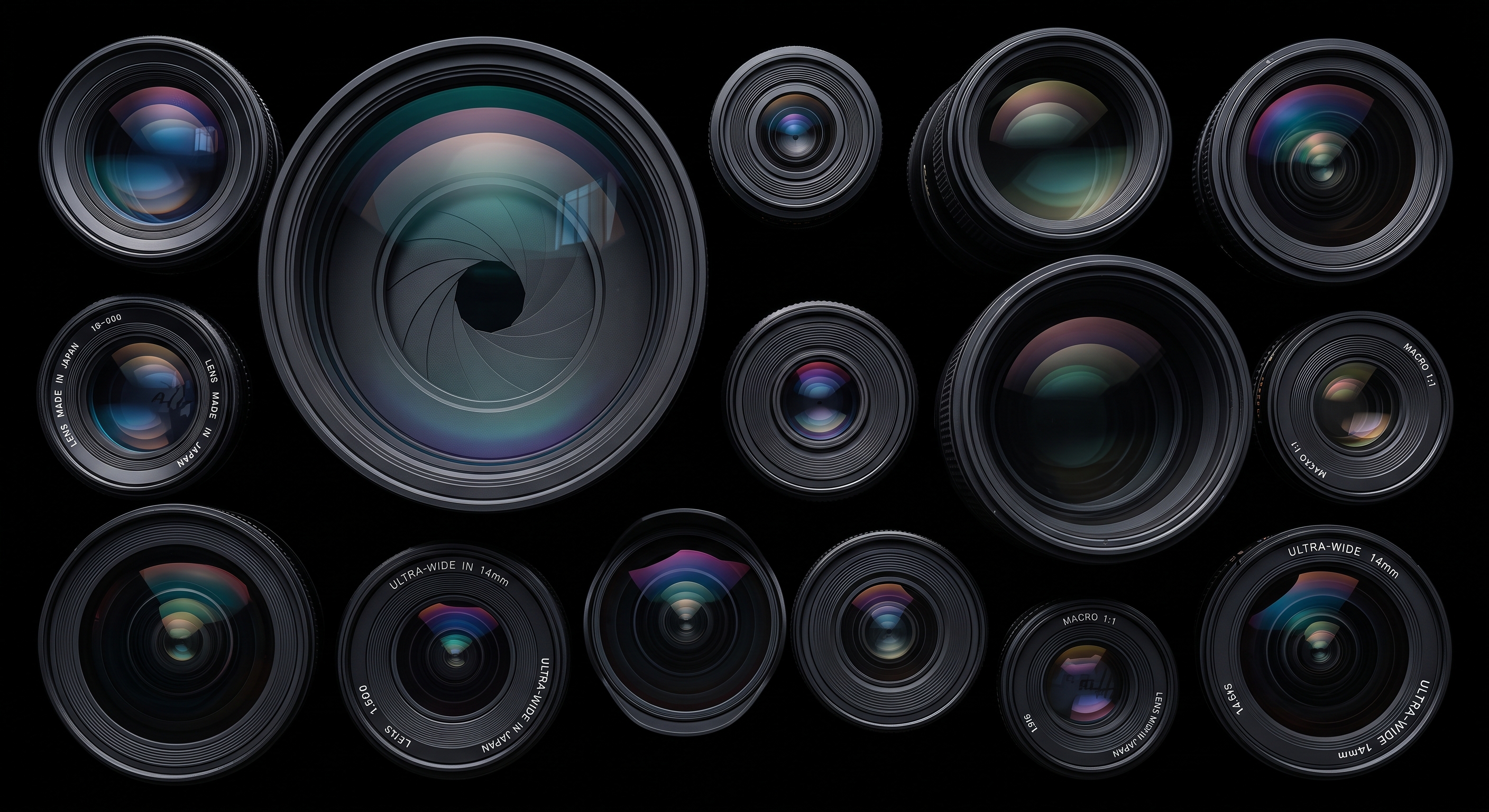

By Fizyr Solutions Consultant Tanaka Moyo
That’s why camera selection isn’t an afterthought — it’s the cornerstone of optimal automation design.
Our vision AI platform, Fizyr OS, is hardware-agnostic by design, but we don't leave camera selection to guesswork. We partner directly with system integrators to evaluate payload, speed, lighting, and material variability, guiding the most effective 2D or 3D camera selection for every application.
Because when you pair best-in-class industrial hardware with Fizyr OS, you don't just build a robot cell, you build a resilient system that operates at 99%+ accuracy.
"One brain, many eyes", camera-agnostic by design.
Fizyr OS deliberately sits above any specific sensor. Solution design means choosing optimal sensing technology for every use case (e.g., heavy bags vs. sachets vs. frozen patties) while the intelligence layer, APIs and operator experience stay identical across cells.
It’s important for system designers and integrators to understand that where vision is concerned, hardware churn doesn't reset your integration. Fizyr OS is designed to be hardware agnostic, to provide flexibility in camera selection and configuration, so the best components for the job can be selected. And, when change is necessary, new vision subcomponents can be introduced to keep the overall solution optimized.
Fizyr OS is deliberately a sensor-independent intelligence layer. Perception, segmentation, classification and grasp-pose generation sit above the camera, so the brain doesn't change when the eyes do.
The use case chooses the sensing technology, not the vendor.
Different object types and materials influence camera selection. Matte cardboard and paper sacks suit structured-light stereo. Glossy or foil consumer packaging favors Zivid-class sensors. Frozen or high-precision inspection has its own requirements, sometimes requiring multi-camera setups. Solution design aligns environmental factors, surface, geometry, and much more. The Fizyr OS neural network model is designed to process point clouds and other data quickly, and provide the best outcome in automation and detection regardless of these factors.
One integration, many cells.
Environmental factors (lighting, space, etc.) can heavily influence camera differences even when the asks are identical. In scaled operations, the robot, PLC and API integration can stay identical across sites or cells, even when cameras differ. For partners standardizing across a network, the integration effort is executed once with Fizyr OS and replicated across a network of installations.
Hardware churn doesn't reset the project.
Camera models get discontinued and SDKs are upgraded. We often see the "five cameras on a shelf" problem: vision hardware availability has changed, sometimes during an implementation project. Fizyr’s approach - utilizing a camera-agnostic layer - means this process is a hardware swap, not a wholesale configuration change and re-engineering effort.
Consistent operator experience.
Diagnostics, logging, error handling, re-try behavior and KPIs look the same in every cell regardless of sensor brand thus the operations teams learn one system.
Future-proofing as a design principle.
Whatever sensing tech emerges next slots under the same intelligence layer. This means the customer's investment lives in the workflow and data, not the optics.
Want to see our camera selection process in action? Visit our prototype Camera Selection tool on Github:
Fizyr - 3D Vision Camera Selector (beta)
Learn more about Fizyr’s industrialcamera partners on our Technology page onFizyr.com.
.jpg)

.jpg)