Back to overview

Vision AI: Is Food Automation Ready for the Next Wave?

News
/
15.12.2025

Computer vision (CV) and Artificial Intelligence (AI) are transforming the food supply chain by shifting operations from manual, experience-based procedures to data-driven, automated systems.

These technologies are applied from the initial stages of farming and rawmaterial analysis through processing, packaging, and distribution.

The global food supply chain operations are undergoing massive changes,as constant demand, labor challenges and automation capabilities push boundaries, and costs of robotic resources become more manageable, allowing true scale to operations.

Fizyr has witnessed positive impacts throughout the entire supply chain, from farming, all the way through consumer access at grocery stores and restaurants.  Advanced vision is making practical and cost-effective automation solutions possible.

Advanced vision systems, like Fizyr OS, are enabling automation capabilities that weren’t imagined even ten years ago.

Farming and Raw Material Acquisition

In the earliest stages of food production, AI and computer vision are used to automate cultivation and assess raw materials before they enter the processing plant.

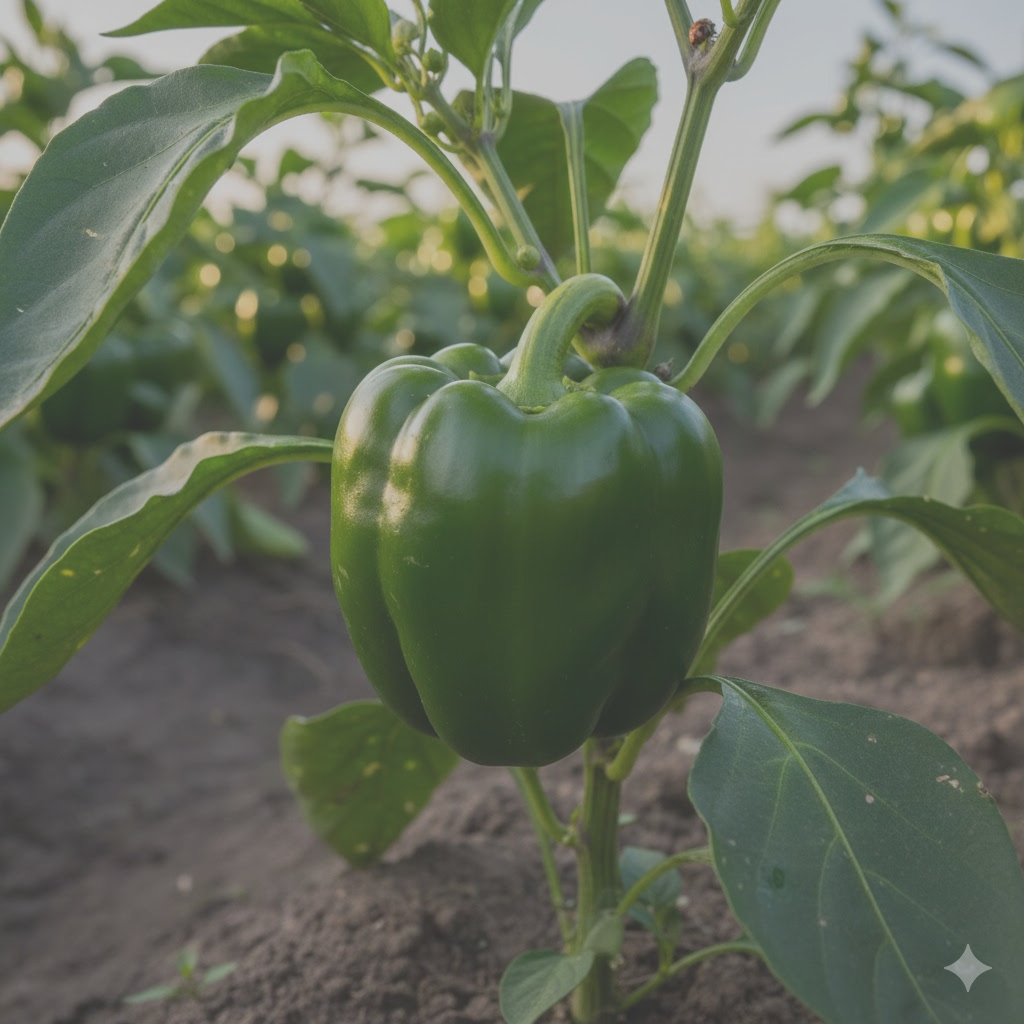
  • Harvesting and Ripeness Detection: Computer vision systems analyze the color distribution of crops to  determine maturity. For instance, AI devices can dynamically adjust harvest times for tomatoes based on color changes to ensure optimal picking. Similar technology is used to detect ripeness and grade produce like apples, bananas, and mangoes, distinguishing between external defects, such as spots or cracks.
  • Smart Cultivation: AI is utilized in projects for smart agricultural irrigation and robotic cultivation, such as in vineyards, allowing for higher-quality data collection with reduced labor input.
  • Cellular Agriculture: In the emerging field of alternative proteins, precision fermentation and cell cultivation platforms use sensors and monitoring tools to track cellular development and maintain precise environmental controls for cultivated meat production.

Primary Processing and Sorting

Once raw materials reach the facility, computer vision becomes critical for sorting, grading, and preparing products for manufacturing

  • Automated Sorting and Grading: Vision systems allow machines to "see" and interpret visual information, rapidly identifying food color, shape, and size to automatically eliminate unqualified products. High-speed cameras can classify fruits and vegetables with high accuracy, such as detecting defects in mangoes with 99% precision.
  • Meat and Poultry Processing: In poultry processing, AI vision systems utilize high-resolution cameras to capture multiple angles of the harvested meat, creating a 3D model of each. This allows the system to identify anatomical landmarks (joints, bone structures) and determine optimal cutting paths. These systems adapt to the unique shape of individual birds, reducing waste by up to 40% compared to standardized cutting methods.
  • Foreign Object Detection: AI vision excels at identifying contaminants that human inspectors might miss. It can detect anomalies such as bone fragments, bruising, or foreign materials like plastic and metal in real-time.
  • Material Recovery: Sorting systems combine computer vision with spectral analysis to separate waste materials, helping facilities identify by-products that can be recovered and up-cycled rather than discarded.

3. Secondary Processing and Manufacturing

During the transformation of raw ingredients into finished goods, AI and computer vision guide robotic systems and ensure recipe adherence.

  • Robotic Butchery: Vision-guided robots perform  complex tasks such as deboning and trimming. In beef processing, blade-tracking robots utilize vision upgrades to adjust to irregular produce in milliseconds, improving yield and replacing manual labor in hazardous zones.
  • Process Monitoring: Cameras and sensors monitor production lines for consistency. For example, in bakery and confectionery, vision systems ensure products meet visual standards for shape and finish.

4. Packaging and Quality Control

As products are finalized, computer vision systems conduct rigorous inspections to ensure safety and packaging integrity.

  • Package Inspection: Vision systems inspect labels, seals, and quality in real-time. High-speed cartoners operating at 600 packages (or more) per minute use inline inspection cameras to instantly catch seal defects
  • Label Verification: Deep learning algorithms are employed to inspect food labels, ensuring regulatory compliance and to prevent mislabeling issues.
  • Robotic Packaging: Multi-functional systems combine filling, sealing, and labeling, often integrating robotic manipulation for pick-and-place operations.

5. Distribution and Retail

In the final stages, automation ensures products are efficientlypalletized, tracked, and served to consumers.

  • Palletizing: Vision-guided robotic arms are used for palletizing and depalletizing mixed cases. These systems can stack products without slipsheets and handle complex pallet patterns,  minimizing warehouse labor.
  • Traceability: Digital platforms link IoT  sensors and vision data to create end-to-end traceability. This digitizes HACCP compliance (Hazard Analysis Critical Control Point), capturing data on supplier credentials and lot codes to reduce recall response times.
  • Food Service Robotics: In retail and food service settings, systems like the "Robot Chef" use robotics and 3D printing principles to produce customized plant-based burgers in minutes,  allowing for on-demand personalization.
  • Depalletization: Distribution and warehousing  processes are already seeing massive advantages in vision-guided  depalletization robotics.  In high volume, high variability situations, automation is making a huge impact on costs and accuracy.

Related articles

Show all news
No items found.